
Depression Therapy at Hanneman & Associates

Understanding Depression
Everyone experiences sadness, disappointment, and difficult periods in life. Depression, however, is more than simply feeling sad. It can affect how you think, feel, and function in your daily life, making even routine tasks feel overwhelming.
Depression is a common mental health condition that can impact people of all ages and backgrounds. It may develop gradually or seem to appear suddenly, and symptoms can vary from person to person. Some people experience persistent sadness, while others notice increased irritability, numbness, or a loss of interest in activities they once enjoyed.
Common symptoms of depression may include:
Feeling sad, empty, or hopeless most of the time
Losing interest in hobbies or activities
Fatigue or low energy
Difficulty concentrating or making decisions
Changes in sleep or appetite
Feelings of guilt, worthlessness, or self-criticism
Withdrawing from friends and family
Feeling overwhelmed by everyday responsibilities
Depression doesn't always look the way people expect. Many individuals continue to work, care for their families, and meet their obligations while quietly struggling. Others may feel disconnected from themselves or wonder why they can't just 'push through' their struggles, even when they're overwhelmed.
Depression is not a sign of weakness or a personal failing. It is a treatable condition, and support can make a meaningful difference.
How Therapy Can Help
Therapy offers a safe, supportive space to better understand your experiences and begin reducing the frequency and intensity of your symptoms. Together, we can explore the factors contributing to your depression, identify patterns that may be keeping you stuck, and develop practical strategies to help you cope with life's challenges.
Treatment for depression may include:
Learning new resourcing strategies or coping skills
Challenging negative thought patterns
Improving self-compassion and self-esteem
Processing difficult life experiences
Managing stress and burnout
Strengthening relationships and communication
Reconnecting with activities and values that bring meaning and joy
Recovering from depression doesn't mean you'll never have difficult days. It means building the tools and support you need to navigate life's ups and downs with greater capacity and confidence.
You Don't Have to Face Depression Alone
Living with depression can make it difficult to ask for help, but you don't have to face it on your own. Therapy offers an opportunity to feel understood, gain new perspectives, and build the tools needed to manage life's challenges.
At Hanneman & Associates, our team of skilled therapists is dedicated to creating a warm, nonjudgmental environment where clients feel supported and empowered. We recognize that no two people experience depression in the same way, and we tailor treatment to meet your individual goals and needs.
If you're ready to take the first step toward starting therpay we invite you to contact our practice to schedule a consultation. We're here to answer your questions and help you find the therapist who is the best fit for you.
Frequently Asked Questions
How do I know if I have depression?
1
If low mood, loss of interest, changes in sleep or appetite, low energy, or feelings of hopelessness have lasted for more than two weeks and are affecting your daily life, a licensed mental health provider can help you better understand whether your symptoms may be related to depression.
Can therapy help with depression?
2
Yes. Therapy is an evidence-based treatment for depression and can help you understand your symptoms, develop resourcing strategies, and improve your overall well-being.
What if I'm not sure therapy is right for me?
3
Many people feel uncertain about starting therapy. An initial consultation can give you the opportunity to ask questions, discuss your concerns, and determine whether the therapist is a right fit for you.
Research shows that therapeutic fit (the strength of the therapeutic alliance between you and your therapist) is the single biggest predictor of positive therapy outcomes, so we encourage you to trust how you feel during the initial consultation process and reach out to several providers if needed.
You can schedule a consultation with any of our therapists here.
Meet the Therapists Who Provide Therapy for Depression
-

Sarah Mitchell, LCSW
-

Thia Mathes, LCSW
-
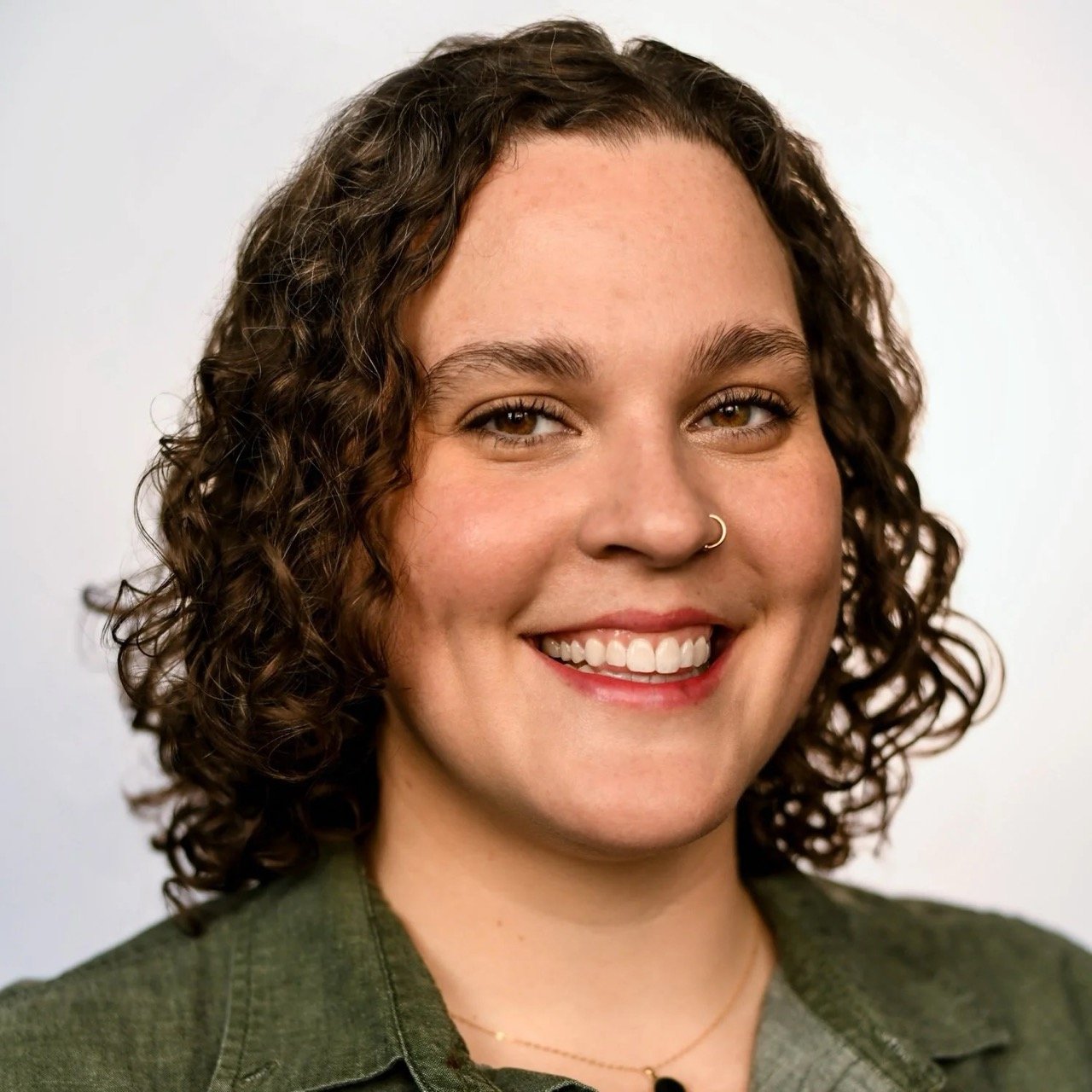
Emily Hanneman, LCSW
-

Monica Morris, LCPC, ATR-BC
-

Will Bartz, LCSW, Psychoanalytic Candidate
-

Emiliana Mladic, LCPC
-

Christopher Manvel, LCPC, MDiv